Apparel Fulfillment Services for DTC Clothing Brands
Growing an apparel brand takes more than moving orders from a shelf into a box. Clothing and fashion inventory creates operational challenges that many general fulfillment providers are not prepared to manage, including size and color variants, style-level SKU families, product drops, branded presentation, exchanges, and seasonal demand.
Proven Prep provides apparel fulfillment services for direct-to-consumer clothing brands, ecommerce companies, wholesale programs, and retail channels. From receiving and organized storage to pick and pack, folding, poly bagging, branded inserts, kitting, returns processing, and B2B distribution, our Portland, Oregon fulfillment team helps apparel brands build repeatable workflows without losing the details that make the customer experience feel personal.
Apparel fulfillment built around:
- Size, color, style, and seasonal SKU organization
- DTC order fulfillment for growing clothing brands
- Product drops, launches, restocks, and promotional campaigns
- Branded packaging, inserts, bundles, and gift-ready workflows
- Returns inspection, restocking, and inventory recovery
- Wholesale, retail, and marketplace distribution support
Why Apparel Fulfillment Requires More Than Basic Pick and Pack
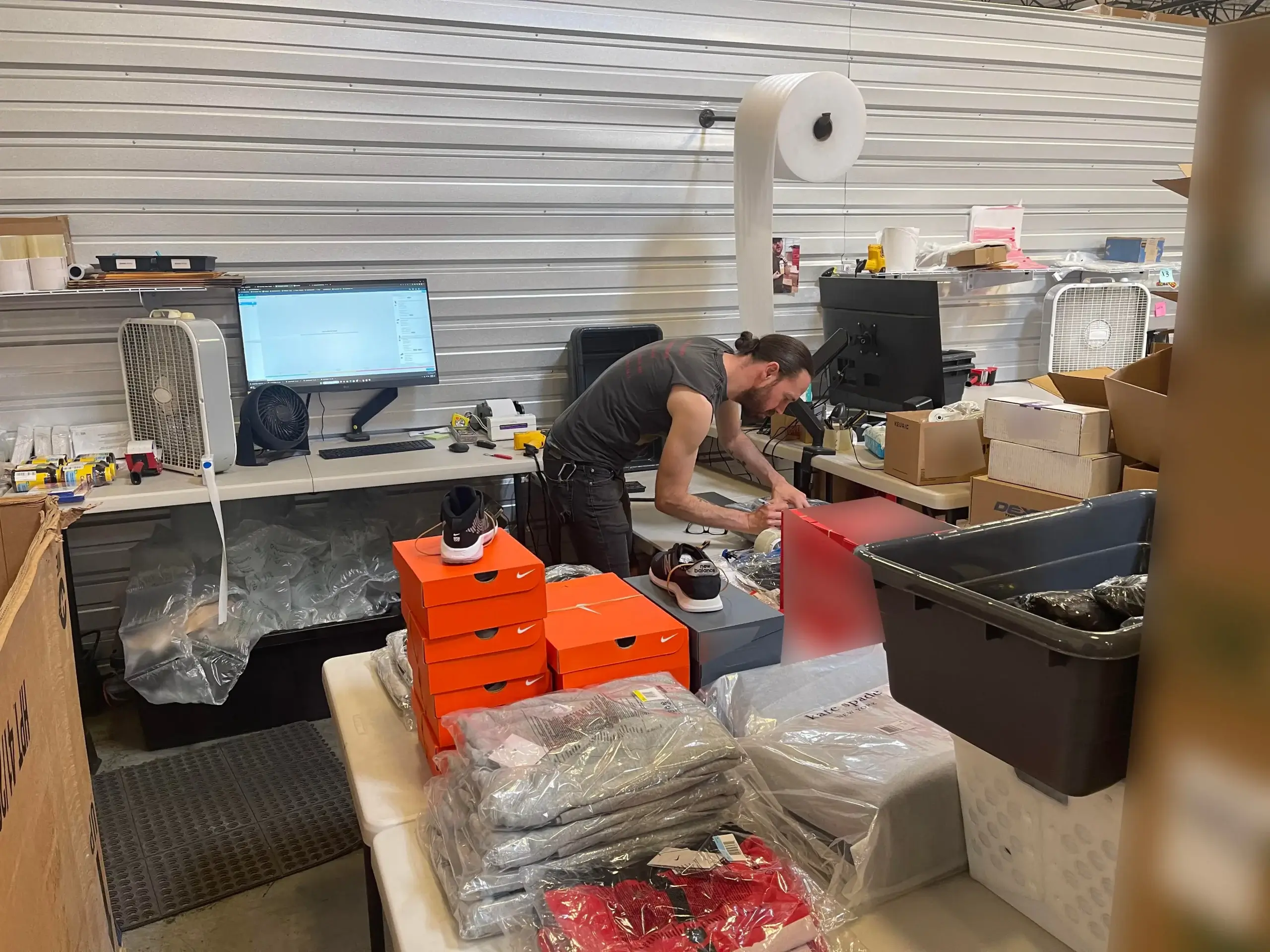
Apparel inventory can look simple from the outside, but operational complexity grows quickly as a catalog expands. One style may be offered in several colors and a full range of sizes. A single product launch can create dozens of closely related SKUs that must be received, stored, picked, and packed accurately.
The challenge becomes even greater when a brand runs limited drops, influencer launches, seasonal collections, preorder releases, or rapid restocks. A fulfillment partner must be able to follow the brand’s product hierarchy, barcode structure, packing rules, and order priorities while maintaining a clean inventory trail.
Proven Prep builds apparel workflows around the way each brand actually sells. That can include style-color-size organization, designated bin or shelf locations, barcode scanning, special packing instructions, bundle rules, promotional inserts, and separate procedures for DTC, marketplace, wholesale, and retail orders.
A well-designed apparel fulfillment operation should help reduce:
- Size or color picking errors
- Mixed-SKU receiving problems
- Unorganized backstock
- Packaging inconsistencies
- Delays during product drops
- Returns that cannot be efficiently restocked
- Inventory split across too many systems or providers
Apparel Fulfillment Services
Inventory Receiving and Variant Verification
Apparel shipments may arrive from domestic suppliers, overseas manufacturers, importers, or another warehouse. Our team can receive cartons or pallets, count units, organize inventory by SKU, and follow an agreed receiving process for style, size, color, barcode, and packaging verification.
When receiving rules are clearly documented, issues can be identified before products enter active fulfillment. Depending on the approved scope of work, this may include checking outer packaging, visible product condition, quantities, SKU labels, case packs, or barcode readability.
DTC Pick and Pack Fulfillment
We support direct-to-consumer apparel orders across connected ecommerce channels. Orders can be picked by SKU, scanned, packed according to the brand’s standard operating procedure, and shipped with tracking returned to the connected store or marketplace.
Packing instructions may include:
- Folding orientation
- Approved poly bag or protective packaging
- Branded mailers or boxes
- Tissue paper
- Thank-you cards
- Promotional inserts
- Gift notes
- Order-specific packing rules
- Multi-item order presentation
Learn more about our Shopify fulfillment services and broader Oregon ecommerce fulfillment capabilities.
Branded Packaging and Unboxing Workflows
For apparel brands, packaging is part of the product experience. A customer may have discovered the brand through a creator, a drop announcement, a social campaign, or a carefully designed storefront. The order should arrive in a way that reflects that experience.
Proven Prep can follow approved packing standards for branded mailers, custom boxes, tissue, inserts, stickers, promotional materials, and campaign-specific packaging. We can also help brands establish separate workflows for standard orders, gifts, influencer shipments, wholesale samples, or launch campaigns.
Packaging materials supplied by the brand can be received, inventoried, and assigned to the appropriate order rules. Custom labor or presentation requirements should be scoped during onboarding so expectations, pricing, and quality checks are clear before launch.
Kitting, Bundling, and Promotional Sets
Apparel brands often sell more than individual garments. Bundles may include matching sets, multipacks, accessories, promotional gifts, launch kits, or limited-edition collections.
Our kitting and assembly services can support:
- Matching top-and-bottom sets
- Apparel and accessory bundles
- Multi-unit packs
- Influencer or press kits
- Gift sets
- Subscription or membership packages
- Promotional inserts
- Seasonal campaign kits
- Retail-ready assortments
Each project can be built around a written bill of materials, approved sample, packaging standard, and quality-control checklist.
Returns, Exchanges, and Inventory Recovery
Returns are a major part of apparel ecommerce. The goal is not simply to accept the package; it is to determine what happened to the unit and what should happen next.
Based on the brand’s approved return rules, Proven Prep can receive returned apparel, identify the order or SKU, inspect visible condition, sort inventory into defined categories, and route the unit for restock, hold, rework, return to vendor, or other disposition.
A clear returns standard can address:
- Original tags and packaging
- Visible wear or damage
- Odor or contamination concerns
- Missing components
- Incorrect item returns
- Restock eligibility
- Rebagging or relabeling requirements
- Quarantine or review procedures
See our full returns and reverse logistics services.
Wholesale and Retail Distribution
Many clothing brands begin with DTC sales and later add boutiques, retail accounts, distributors, pop-ups, or larger wholesale programs. These orders often require different packing, carton, labeling, documentation, and routing procedures than consumer parcels.
Proven Prep can support case packs, wholesale orders, retailer shipments, sample orders, palletized freight, and related B2B workflows. Our retail distribution services can be combined with the same inventory used for DTC fulfillment so brands can manage multiple sales channels through one operational partner.
Built for Product Drops, Launches, and Seasonal Peaks
Apparel volume is rarely flat. A new collection, creator collaboration, flash sale, holiday campaign, or restock can create a sharp order spike within minutes.
Drop-day preparation should begin before orders arrive. A successful launch workflow may include:
- Receiving and reconciling the launch inventory
- Organizing products by style, color, and size
- Confirming packaging supplies and inserts
- Building bundles or kits in advance
- Testing order flow and shipping rules
- Establishing order priorities and cutoff expectations
- Planning labor and packing capacity
- Monitoring exceptions during the release
Proven Prep works with brands to document these details during onboarding. We do not promise that every launch is identical or that all orders will ship under the same timeline. Instead, we build an agreed operating plan based on expected volume, inventory arrival, packaging complexity, carrier schedules, and the services included in the account.
Apparel Inventory Management and Fulfillment Process
Step 1: Map the Catalog
Before inventory arrives, we review the brand’s SKU structure, sales channels, variant logic, packaging requirements, and order types. The goal is to understand how styles, colors, sizes, bundles, and seasonal collections should be organized.
Step 2: Receive and Organize Inventory
Inventory is received, counted according to the agreed scope, and placed into warehouse locations that support efficient picking and backstock management. Exceptions are documented and escalated based on the brand’s communication plan.
Step 3: Connect Orders and Test Workflows
Orders can flow from connected ecommerce or marketplace channels. Before launch, test orders should confirm SKU mapping, shipping methods, packing rules, inserts, and tracking updates.
Step 4: Pick, Pack, and Ship
Warehouse staff pick the required variants, follow the approved packing standard, and prepare orders for the selected carrier service. Tracking information is returned through the connected system where supported.
Step 5: Manage Returns, Restocks, and Growth
As the brand grows, the operating plan can expand to include returns, bundles, wholesale orders, retail distribution, additional packaging rules, or new sales channels.
Support for the Channels Apparel Brands Use
Proven Prep can support connected order and inventory workflows for platforms and marketplaces commonly used by clothing brands, including Shopify, WooCommerce, TikTok Shop, Amazon, Walmart Marketplace, Faire, and wholesale or manually submitted B2B orders.
Channel names are provided for reference. Proven Prep is an independent 3PL and does not claim formal affiliation with third-party platforms.
Brands with multiple channels can use one fulfillment partner for a combination of:
- DTC website orders
- Marketplace orders
- Wholesale and boutique shipments
- Retail replenishment
- Influencer or sample shipments
- Subscription or membership orders
- Amazon FBA or marketplace preparation
- Returns and reverse logistics
What to Include in an Apparel Fulfillment SOP
A strong apparel fulfillment standard should be specific enough that warehouse staff can make the same decision consistently.
Useful SOP details include:
- SKU and barcode map
- Style, size, and color naming rules
- Approved packaging by order type
- Folding and presentation requirements
- Insert and promotional rules
- Bundle bills of materials
- Shipping method rules
- High-value order procedures
- Returns grading standards
- Restock and quarantine rules
- Wholesale carton requirements
- Launch-day priorities
- Escalation contacts
Our 3PL onboarding checklist can help brands prepare the information needed for a smoother transition.
Who Is a Good Fit for Apparel Fulfillment?
Proven Prep may be a strong fit for:
- DTC clothing and fashion brands
- Streetwear and limited-drop businesses
- Lifestyle and athleisure companies
- Uniform and workwear programs
- Accessory and headwear brands
- Subscription or membership apparel programs
- Brands expanding from DTC into wholesale or retail
- Amazon, Walmart, or marketplace sellers with apparel inventory
- Companies outgrowing a garage, office, small warehouse, or unreliable fulfillment provider
Every account is reviewed individually. Product characteristics, order volume, SKU count, packaging complexity, return rate, storage needs, and special projects all affect operational fit and pricing.
Apparel Fulfillment FAQs
What is apparel fulfillment?
Apparel fulfillment is the process of receiving, storing, picking, packing, shipping, and processing returns for clothing, fashion, and accessory products. It often requires detailed control over style, size, color, season, packaging, and return condition.
Can Proven Prep manage size and color variants?
Yes. Apparel workflows can be organized around the brand’s SKU and barcode structure, including style, size, and color variants. Accurate source data and scannable identifiers are important for reliable receiving and order fulfillment.
Do you support clothing drops and product launches?
Yes. Product drops and launches can be planned through inventory staging, bundle preparation, packaging readiness, test orders, and expected-volume planning. Final timelines depend on inventory arrival, order volume, project complexity, and the agreed service level.
Can you use our branded mailers, tissue, and inserts?
Yes. Brand-supplied packaging materials can be received and used according to an approved packing SOP. Any special handling or assembly labor should be included in the account scope.
Do you handle apparel returns?
Yes. Returned products can be received, identified, inspected for visible condition, sorted, and routed according to the brand’s approved restock and disposition rules.
Can you fulfill wholesale and retail apparel orders?
Yes. We can support DTC orders alongside wholesale, boutique, distributor, and retail shipments when the required routing, carton, labeling, and documentation rules are provided.
Do you support Shopify apparel brands?
Yes. We support Shopify and other common ecommerce channels through connected order and inventory workflows. Integration details should be confirmed during onboarding.
Can you build apparel bundles or matching sets?
Yes. Kitting and bundling projects can be completed from an approved bill of materials, packaging standard, and quality-control checklist.
How is apparel fulfillment priced?
Pricing depends on order volume, units per order, SKU count, storage, receiving, packaging, returns, kitting, special handling, and sales channels. Review our 3PL pricing or request a custom quote.
Where is your apparel fulfillment warehouse?
Proven Prep operates from Portland, Oregon and supports apparel brands throughout the West Coast and other U.S. markets through available parcel and freight carriers. Warehouse visits and account requirements should be coordinated with the team.
Build an Apparel Fulfillment Operation That Can Scale
Whether you are preparing for a clothing drop, moving out of self-fulfillment, improving returns, or expanding into wholesale, Proven Prep can help build a documented workflow around your catalog, packaging, and customer experience.